
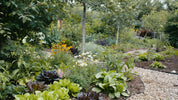
Permaculture in a Small Garden: Harnessing Multilayer Plantings and Plant Guilds for Maximum YieldIn today's fast-paced urban world, where space is at a premium, the dream of a lush, productive garden might seem out of reach. But permaculture principles offer a game-changing solution, even for the tiniest plots. Whether you're working with a balcony, a compact backyard under 100 square feet, or a few containers on a patio, multilayer plantings and plant guilds can transform your space into a thriving, self-sustaining ecosystem. These techniques mimic natural forests, stacking plants vertically and horizontally while fostering symbiotic relationships that boost productivity, reduce maintenance, and enhance biodiversity.Permaculture isn't just about growing food—it's about designing systems that work with nature rather than against it. In a small garden, this means every inch counts. Let's dive deep into how multilayer plantings and plant guilds can revolutionize your setup, with practical examples, tips, and step-by-step guidance to get you started.Understanding Multilayer Plantings: Building a Vertical Food Forest At the heart of permaculture is the idea of layering plants to maximize space and resources. In a wild forest, vegetation grows in multiple tiers, from towering trees to ground-hugging herbs. We adapt this to small gardens by focusing on 5-7 layers, skipping the massive canopy trees that dominate larger landscapes.Here's a breakdown of the classic permaculture layers tailored for compact spaces:
Drop your thoughts below—I’d love to hear!
#Permaculture #SmallGardenPermaculture #MultilayerPlantings #PlantGuilds #FoodForestGarden #CompanionPlanting #SustainableGardening #UrbanFarming #RegenerativeDesign #BackyardHomestead #EcoFriendlyGarden #GrowYourOwn #NoTillGardening #BiodiversityInGardens
- Overstory Layer (Low Trees/Shrubs): Dwarf fruit trees like apple, pear, or cherry on dwarfing rootstocks (e.g., M9 or Geneva series). These reach only 6-10 feet tall, perfect for small yards. They provide shade, fruit, and structure.
- Understory Shrubs: Berry bushes such as blueberries, raspberries, or elderberries. These fill the mid-level, offering edible yields and habitat for beneficial insects.
- Herbaceous Perennials: Vegetables and herbs like kale, rhubarb, asparagus, or mint. These are the workhorses, providing ongoing harvests without annual replanting.
- Ground Cover: Low-growing plants like strawberries, clover, or creeping thyme. They suppress weeds, retain moisture, and add another layer of edibles.
- Root Zone: Underground crops such as carrots, beets, garlic, or potatoes. These utilize soil depth without competing for above-ground space.
- Climbers/Vines: Vertical growers like beans, peas, cucumbers, or passionfruit trained on trellises or fences. They add height without expanding footprint.
- Fungal/Mycorrhizal Layer (Optional Advanced): Encourage mycorrhizal fungi through no-till practices to connect plant roots, improving nutrient exchange.
- Central Plant: The main crop, e.g., a fruit tree or berry bush.
- Nitrogen Fixers: Legumes like peas, beans, or clover that pull nitrogen from the air into the soil.
- Dynamic Accumulators: Deep-rooted plants like comfrey or dandelions that mine minerals from subsoil and make them available when chopped and dropped.
- Pest Repellers/Confusers: Aromatic herbs like marigolds, nasturtiums, or garlic that deter insects through scent or trap cropping.
- Pollinator Attractors: Flowers such as borage, calendula, or lavender that draw bees and butterflies.
- Ground Covers/Mulchers: Low plants that shade soil, prevent erosion, and add organic matter.
- Beneficial Insect Habitats: Plants like yarrow or fennel that host predatory insects (e.g., ladybugs) to control aphids.
- Central: Dwarf apple tree (e.g., 'Honeycrisp' on M27 rootstock).
- Nitrogen Fixers: White clover underfoot or bush beans around the edges.
- Dynamic Accumulators: Comfrey planted in a ring—chop leaves 2-3 times a season for mulch.
- Pest Repellers: Nasturtiums and chives circling the trunk (nasturtiums trap aphids; chives repel borers).
- Pollinators: Borage and calendula interspersed for blue and orange blooms.
- Ground Cover: Wild strawberries or alpine strawberries for edging and extra fruit.
- Vertical Element: Pole beans or scarlet runner beans climbing a teepee over the tree.
- Yield Potential: Apples, berries, herbs, and beans—plus improved soil fertility year over year.
- Central: Blueberry bush (acid-loving; amend soil with pine mulch).
- Nitrogen Fixers: Lupins or crimson clover nearby.
- Dynamic Accumulators: Yarrow for potassium buildup.
- Pest Repellers: Marigolds and garlic to ward off slugs and birds.
- Pollinators: Lavender and bee balm for continuous flowers.
- Ground Cover: Creeping thyme or chamomile—aromatic and walkable.
- Vertical Element: If space allows, clematis or honeysuckle on a small arch.
- Yield Potential: Berries galore, plus herbal teas and pest control.
- Central: Hardy kiwi or grapevine on a trellis.
- Nitrogen Fixers: Peas climbing the lower trellis.
- Dynamic Accumulators: Nettles (wear gloves!) at the base.
- Pest Repellers: Basil and mint in pots below.
- Pollinators: Anise hyssop or salvia.
- Ground Cover: Sedum or stonecrop for drought tolerance.
- Yield Potential: Fruits, veggies, and greens in a linear 3-5 foot strip.
- Central: Rosemary or sage as anchors.
- Nitrogen Fixers: Fava beans in cooler months.
- Dynamic Accumulators: Parsley and cilantro (biennials).
- Pest Repellers: Onion family (chives, leeks).
- Pollinators: Oregano and thyme flowers.
- Ground Cover: Creeping rosemary varieties.
- Yield Potential: Endless herbs for cooking, teas, and medicine.
- Site Assessment: Observe sun patterns, soil type, and wind. Use apps like Sun Seeker for mapping.
- Soil Building: Start with compost-rich soil; avoid tilling to preserve microbes.
- Water Wisdom: Drip irrigation or ollas (clay pots) for efficiency; guilds retain moisture better.
- Maintenance Hacks: "Chop and drop" biomass from guild plants as mulch. Prune minimally to maintain layers.
- Common Pitfalls: Overcrowding—space plants for mature size. Start small: one guild per season.
- Scaling Up: Once established, guilds expand naturally; propagate from cuttings.
- Seasonal Adjustments: In colder climates (USDA zones 4-7), choose hardy perennials; in warmer zones, focus on heat-tolerant varieties.
Drop your thoughts below—I’d love to hear!
#Permaculture #SmallGardenPermaculture #MultilayerPlantings #PlantGuilds #FoodForestGarden #CompanionPlanting #SustainableGardening #UrbanFarming #RegenerativeDesign #BackyardHomestead #EcoFriendlyGarden #GrowYourOwn #NoTillGardening #BiodiversityInGardens
- Compartir en:
- Deel
- Tweet
- Póngale un alfiler.
- Messenger
- Correo electrónico
Entradas de blog
-

Winter Garden Care
-

What to Start Growing or Planting in February
-

Top 10 Flowers to Start Indoors in February for USDA Zones 3–5


