
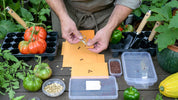
In the realm of sustainable gardening, seed saving stands as a timeless practice that empowers growers to preserve the essence of their most prized plants. Imagine harvesting seeds from that exceptional tomato plant with unparalleled flavor or the robust bean variety that thrived despite challenging weather—seed saving allows you to capture these elite traits and propagate them year after year. This method not only cuts costs but also fosters biodiversity, reduces dependence on commercial seed suppliers, and contributes to non-GMO heritage preservation. For gardeners across the USA, from the frosty winters of USDA zone 3 to the mild climates of zone 10, mastering seed saving can transform your plot into a self-sustaining haven of high-yield, resilient crops.Whether you're a backyard enthusiast experimenting with heirloom seeds or a seasoned homesteader aiming for garden self-sufficiency, this comprehensive guide will walk you through the art of selecting, collecting, and storing elite varieties. We'll cover everything from identifying superior plants to long-term storage techniques, ensuring your saved seeds remain viable for seasons to come. By the end, you'll be equipped to build a personal seed bank that reflects your garden's unique successes.The Art and Science of Seed Saving: Why It MattersSeed saving is more than a hobby—it's a form of amateur plant breeding that dates back thousands of years. In today's context, it's a vital tool for organic gardening and sustainable agriculture. By focusing on elite varieties—those plants exhibiting top-tier qualities like disease resistance, superior flavor, or high productivity—you're essentially curating your garden's genetic legacy.Key benefits include:
- Cost Efficiency: A single elite tomato plant can yield hundreds of seeds, saving you $20–$50 per season on purchases.
- Adaptation to Local Conditions: Saved seeds evolve over generations, becoming better suited to your specific soil, climate, and pests—ideal for varying USDA zones across the USA.
- Biodiversity Preservation: Commercial agriculture favors uniform hybrids, leading to loss of diversity. Saving heirloom seeds helps maintain non-GMO varieties, as noted by organizations like the Seed Savers Exchange.
- Environmental Impact: Reduces the carbon footprint from seed shipping and supports pollinator-friendly gardens.
- Personal Satisfaction: There's immense joy in growing plants from seeds you've harvested, knowing you've played a role in their elite lineage.
- Observe Throughout the Season: From planting, note plants with desirable traits: vigorous growth, abundant yields, pest resistance, or exceptional taste. Use garden labels or apps to track.
- Prioritize Health: Select disease-free specimens. In humid Eastern USA zones (5–7), look for mildew-resistant varieties; in dry Western zones (8–10), prioritize drought tolerance.
- Consider Cross-Pollination: For crops like corn or squash, isolate elites (e.g., 200 ft apart) to prevent unwanted hybridization.
- Quantity Matters: Aim for seeds from multiple plants (10–20) to maintain genetic diversity and avoid inbreeding depression.
- Dry-Seeded Plants (e.g., Beans, Peas, Lettuce): Let pods/seeds dry on the plant until brown and brittle. Collect on a dry day, shell, and winnow (blow away chaff).
- Wet-Seeded Plants (e.g., Tomatoes, Cucumbers, Melons): Pick ripe fruits, scoop pulp into a jar, add water, and ferment 2–4 days (stir daily). Rinse clean, dry on screens.
- Flower and Herb Seeds: Wait for seed heads to brown (e.g., sunflowers, basil). Cut heads, hang upside down in paper bags to catch seeds.
- Tools Needed: Scissors, envelopes, sieves—all under $20.
- Cleaning: For dry seeds, rub to remove chaff; for wet, rinse thoroughly. Use screens for airflow.
- Drying: Spread on paper towels in a warm, dry room (70–80°F) for 1–2 weeks. Stir daily; aim for <8% moisture (seeds snap when bent).
- Testing: Float test for viability—sinkers are good, floaters discard.
- Short-Term (1–3 Years): Paper envelopes in a cool, dark drawer (50–60°F, low humidity).
- Long-Term (5+ Years): Airtight jars or vacuum-sealed bags in the fridge (35–40°F) or freezer (0°F). Add silica packets for moisture control.
- Labeling: Note variety, collection date, traits, and source—essential for tracking elites.
- Viability Testing: Before planting, germinate 10–20 seeds on damp paper; 80%+ rate is ideal.
- Low Germination: Often from immature harvest—wait longer next time.
- Cross-Pollination: Use isolation bags for purity in small gardens.
- Pests/Mold: Store in rodent-proof containers; freeze to kill bugs.
- Legal Note: In the USA, saving patented seeds is illegal—stick to OP/heirlooms.
- Compartir en:
- Deel
- Tweet
- Póngale un alfiler.
- Messenger
- Correo electrónico
Entradas de blog
-

Winter Garden Care
-

What to Start Growing or Planting in February
-

Top 10 Flowers to Start Indoors in February for USDA Zones 3–5


