
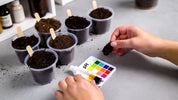
In the world of gardening, soil is often called the "foundation of life." It's not just dirt—it's a complex ecosystem teeming with microbes, nutrients, and minerals that directly impact plant health, growth, and productivity. For both beginner gardeners and seasoned pros, understanding soil importance is key to avoiding common pitfalls like stunted growth, nutrient deficiencies, or pest infestations. One of the most critical aspects? Soil pH. This simple measure can make or break your garden. In this guide, we'll explore why soil health matters, how to perform an easy home pH test, and actionable steps to balance it for optimal results. Whether you're in USDA zones 3–10 or planning your garden 2026, mastering this will lead to thriving plants and bountiful harvests.The Importance of Soil in GardeningSoil isn't passive—it's alive! Healthy garden soil provides essential elements for plants: water retention, aeration, nutrient supply, and root support. Poor soil health can lead to weak plants that are more susceptible to diseases and environmental stress. According to experts, balanced soil boosts crop yields by up to 20–30%, reduces the need for fertilizers, and promotes sustainable organic gardening practices.Key reasons why soil is crucial:
#SoilImportance #pHTest #HomeSoilTest #GardenSoil #SoilHealth #pHBalance #BeginnerGardening #USDAZones #OrganicGardening #Garden2026 #SoilTesting #SustainableGardening #PlantCare #GardenTips #HomeGardening
- Nutrient Availability: Soil holds vital macronutrients (nitrogen, phosphorus, potassium) and micronutrients (iron, zinc). Imbalances cause yellowing leaves or poor fruiting.
- Water Management: Good soil structure prevents waterlogging or drought, ensuring roots get consistent moisture.
- Microbial Activity: Beneficial bacteria and fungi break down organic matter, improving soil fertility over time.
- pH Influence: Soil pH affects how plants absorb nutrients—too acidic or alkaline, and even fertile soil becomes ineffective.
- Soil pH test kit (strips or liquid reagent).
- Clean trowel or spoon.
- Distilled water (tap water can skew results).
- Small containers.
- Collect Samples: Dig 4–6 inches deep from 3–5 spots in your garden bed. Mix them in a bucket to create a composite sample. Remove debris.
- Prepare the Test: Follow kit instructions—typically, mix soil with water (1:1 ratio) to make a slurry.
- Test pH: Dip a strip or add reagent; wait for color change (1–2 minutes). Compare to the chart: red/orange = acidic, green = neutral, blue/purple = alkaline.
- Record Results: Note pH levels for different areas (veggie bed vs. flower patch).
- If Too Acidic (pH Below 6.0): Raise it with lime (calcitic or dolomitic) or wood ash. Apply 5–10 lbs per 100 sq ft, mix into top 6 inches, and retest in 3 months. Great for veggies like tomatoes.
- If Too Alkaline (pH Above 7.0): Lower with elemental sulfur, pine needles, or composted oak leaves. Use 1–2 lbs sulfur per 100 sq ft; it takes time (months) to react.
- Maintaining Neutral pH: Add organic matter like compost annually—it buffers pH naturally and improves soil structure.
- Zone-Specific Tips: In arid Western USA (zones 8–10), alkaline soils are common—focus on sulfur. In rainy East (zones 4–7), acidity builds—lime helps.
#SoilImportance #pHTest #HomeSoilTest #GardenSoil #SoilHealth #pHBalance #BeginnerGardening #USDAZones #OrganicGardening #Garden2026 #SoilTesting #SustainableGardening #PlantCare #GardenTips #HomeGardening
- Compartir en:
- Deel
- Tweet
- Póngale un alfiler.
- Messenger
- Correo electrónico
Entradas de blog
-

Winter Garden Care
-

What to Start Growing or Planting in February
-

Top 10 Flowers to Start Indoors in February for USDA Zones 3–5


